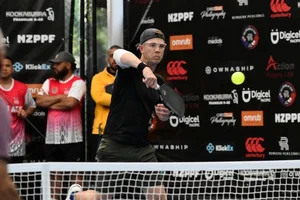
When to Drive, Drop, or Drip in Pickleball: Choosing the Right Shot for the Right Moment
One of the biggest breakthroughs players experience in pickleball is learning not just how to hit different shots, but when to hit them. Drives, drops, and “drip” shots (a controlled 60% speed drive - focusing on placement) all have their place—and choosing the right one can instantly make your rallies and matches more consistent, more strategic, and a whole lot more effective.
Let’s break down when to hit each type of shot and how to make smarter decisions during points.
When to Hit a Drive
A drive is a hard, fast-paced shot usually hit from mid to the back of the court or the baseline. The goal is to pressure your opponents, force weak replies, or set up your next ball (Crash the net!)
Use a drive when:
You receive a high or attackable ball off the return.
Your opponents are back at the baseline or slow moving to the kitchen.
You have your feet set and the ball sits nicely in your strike zone.
You’re playing against opponents who pop balls up when rushed. (Coach Luke says: certain players prefer the soft or hard game - identify that early in your match and adjust your shots to make your opponents feel uncomfortable).
Drives work best when your opponents haven’t established the kitchen line. If they’re already there and stable, hammering the ball often ends badly—usually with you making the error.
When to Hit a Drop
A drop shot is a soft, controlled ball that arcs over the net and lands in your opponent’s kitchen, giving you time to move forward. (Coach Luke says: When hitting a drop, The apex of your ball should be on your side of the net. i.e. it should dip as it crosses the net).
Use a drop when:
You're at the baseline and need a safe way to approach.
You’re mid-court and you want to get to the kitchen line in a controlled manner.
You want to neutralise opponents already stationed at the kitchen line.
Your opponents don’t like slower pace balls.
Drops aren’t about winning the point—they’re about resetting the rally, creating that pop up opportunity and giving yourself a chance to commence a dinking rally.
When to Hit a Drip (60% Power Drive)
A drip is that in-between shot: firmer than a drop, but far more controlled than a full drive. Think of it as a safer offensive option that still applies pressure but keeps your risk low. (Coach Luke says: Drips should come with topspin (ideally) and we want to aim those at the feet of our opponent or at the gaps on the court).
Use a drip when:
You get a ball that’s not quite high enough to fully drive.
You want to attack the feet without over-hitting.
You want to force a pop-up while staying consistent.
Your opponents are transitioning from baseline to kitchen.
The drip is especially effective for hitting through the middle, jamming your opponents, or making them volley up instead of down.
Bringing It All Together
A simple way to think about it:
Drive when the ball is high and you can get well set to lean forward while making contact.
Drop when the ball is low and when you want to approach the kitchen line.
Drip when the ball is in-between/you want to dial in that consistency.
Mastering the decision-making behind these three shots can instantly elevate your game. The more you recognise ball height, opponent positioning, and your own balance, the easier it becomes to select the right shot automatically.
If you want help learning when and how to apply these shots in real match play, our Auckland coaching sessions break it all down with clear drills and gameplay scenarios.
Smart shot selection = smarter pickleball.
Your next read: What Is DUPR? How accurate is it—and why might your rating go down even when you win?